Found a hole in a favourite jumper or jeans? Don’t bin it. Here is how to mend a hole in clothes by hand: match the repair to the fabric, darn knits, patch wovens, and stitch with a simple running stitch.
If hand sewing is new to you, the sewing for beginners guide covers the basics before you start mending.
| Item | Value |
|---|---|
| Patch size beyond the hole | At least an inch on all sides |
| Stitch needed for entry-level patching and darning | Running stitch |
| Basic techniques for most rips and holes | Two: patching and darning |
| Machine darn of a small hole | A few minutes |
| Hand darn over a hole in denim, with embroidery thread | About 20 minutes |
These figures come from NPR’s visible mending guide and Seamwork’s hand versus machine darning test. They can change, so check the sources before you rely on them.
Darn or patch: which fix suits your hole?
Most rips and holes need one of two techniques. NPR’s guide says that for ripped jeans or a moth-eaten sweater, patching and darning are all you need to know.
- Patching: sew another piece of fabric over or under a hole, rip or threadbare area.
- Darning: weave a patch using thread or yarn.
There are no hard rules, but it is more common to darn knits like sweaters and patch woven material like jeans. At entry level, the running stitch is the only stitch you must learn: a dotted line made by pushing the needle up and down in a straight line.
Darning also has a stricter goal than patching. According to Seamwork, it aims to replicate the weave of your fabric and cover the hole invisibly, so you give up colourful visible mending.
What you need in your mending kit
You do not need a full sewing basket. NPR says you can get by with just two needles: an embroidery needle for thicker thread, and a tapestry needle for mending knitwear with yarn.
- Thread: a mix of regular thread, embroidery thread and yarns of different thicknesses.
- Scrap fabric for patches, from a fabric store, thrift shop or old clothes.
- Sewing pins to hold patches in place; safety pins work too.
- Optional: fabric scissors, thread snips and a darning mushroom.
A darning mushroom gives you a stable surface to work on when you mend knitwear with yarn. For hand darning knits, Gathered describes a darning needle that is very long compared with a regular sewing needle, around 8cm/3in, with a large eye and a sharp point.
Whatever you pick, Seamwork advises matching the weight of your thread and the thickness of your needle to the project.
Patching a woven fabric step by step
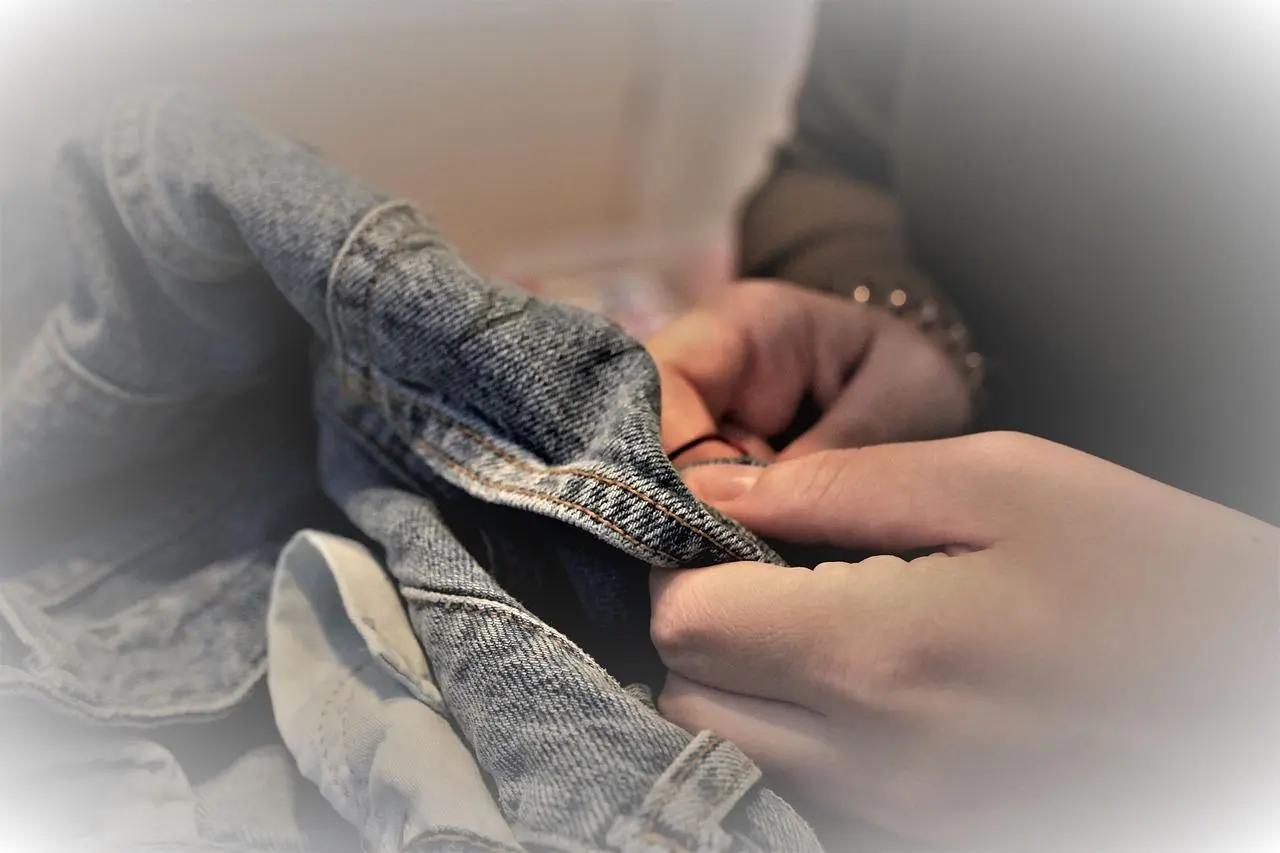
Patching suits denim, cotton shirts and other woven cloth. Before you cut anything, look at the whole garment, lay your supplies near the damage and try different combinations, as NPR suggests.
- Choose a patch fabric close in weight and fibre to the garment.
- Cut the patch larger than the hole by at least an inch on all sides.
- Place it over or under the hole and hold it with pins.
- Stitch columns of running stitches back and forth across the patch.
The same guide notes that a simple patch sewn with running stitches is enough for a first repair. Once these repairs feel comfortable, you can move on to easy sewing projects for beginners to put the same stitches to work on something new.
Darning a hole in knitwear by hand
For sweaters and socks, a traditional stocking darn is a good starting point. Gathered describes it as suitable for small holes and the thinning areas around them.
- Tidy any loose threads around the hole.
- Work from the wrong side, with the darning mushroom behind the hole and the fabric pulled over it.
- Pick up alternate purl bumps in columns, leaving a small loop at each turning point to avoid puckering.
- Shape the darned area as an octagon rather than a square, so strain on the fabric is spread evenly.
- Work across the columns, picking up the darning thread, then cut the thread and leave a small tail.
There is no need to weave in or knot the ends, and with wear and washing the darn blends in better. Choose a bright, contrasting yarn if you would rather make the repair a feature.
Mending this way also has a practical upside. Oxfam’s retail team says learning to darn can save you money and reduce textile waste.
Is hand or machine mending better?
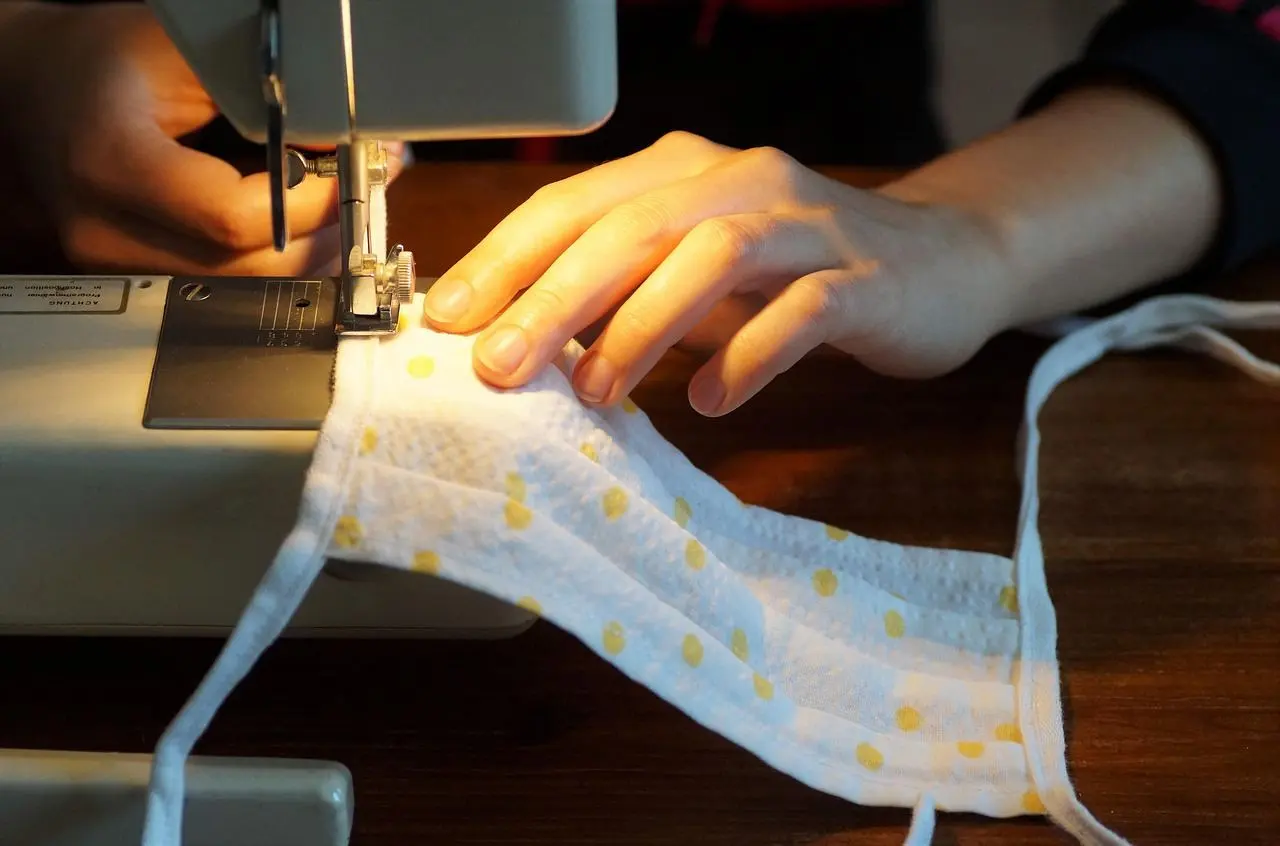
In Seamwork’s test, a small hole darned by machine took just a few minutes, from cutting the patch to snipping the last thread. The method needs a darning foot, lowered feed dogs, matching thread and a stabiliser behind the hole.
The machine result depended on the cloth. On denim it looked shiny and lost the twill weave but was hard to notice from a distance, while on wool it looked flat.
Hand darning gave more control but was slower. The tester’s all-purpose thread was too thin to cover the white weft threads in denim, so switching to embroidery thread brought the job to about 20 minutes.
- Choose the machine for a quick, strong fix on jeans or other tough cloth.
- Choose hand darning for knits, small repairs and a closer weave match.
- Skip hand darning if you feel impatient, as Seamwork advises.
If the machine route appeals, read about how to use a sewing machine before you try a darning foot.
Making the mend last
Placement matters. NPR notes that mends on elbows, knees, inner thighs or back pockets get a lot of wear, so use a fabric that closely matches the original for durability.
Washing is the other factor. Different fabrics react differently, which can cause puckering, so pick a mending material that washes similarly to the garment.
If you would rather show a repair than hide it, visible mending uses noticeable threads, fabrics and decorative techniques. Simple embroidery stitches can add ornament, and the Japanese tradition Sashiko is a source of ideas.
Frequently asked questions
Can I darn without a darning mushroom?
Show answer
Yes. Gathered says an old light bulb, a boiled egg or a ladle can stand in. Seamwork adds that an embroidery hoop, a tennis ball or a small glass also works.
What yarn or thread should I darn with?
Show answer
For knits, pick darning yarn of a similar weight to the garment’s yarn, or slightly lighter. On tightly woven denim, thicker embroidery thread covered the hole better than all-purpose thread in Seamwork’s test.
Does mending really save money?
Show answer
It can. Oxfam’s darning guide calls darning a simple yet effective way to extend the life of favourite garments, with savings and less textile waste as the payoff. You will find the details on Oxfam’s blog.
Should I hide the repair or make it visible?
Show answer
Either is fine, and the choice is yours. Invisible darning copies the cloth’s weave, while visible mending turns the repair into a design feature that still extends the garment’s life.