Starting out with sewing for beginners can feel like a lot of kit and jargon. Begin with a basic machine, a steady cotton fabric and a few simple stitches, then practise on scraps before any real project.
| Item | Value |
|---|---|
| Reference guide | How to start sewing: a guide on how to sew for beginners |
| Publisher | Creative Bloq |
| Author | Michelle Rowley |
| Published | 27 March 2023 |
| Scope | Sewing for beginners, including the tools you need |
These details come from the Creative Bloq beginner sewing guide. Pages get updated, so check the source before you rely on them.
What do you need to start sewing?
You do not need a full craft room. A small starter kit covers nearly every first project, and you can add to it as your skills grow.
- Sharp fabric scissors, kept just for cloth
- Hand-sewing needles and all-purpose thread
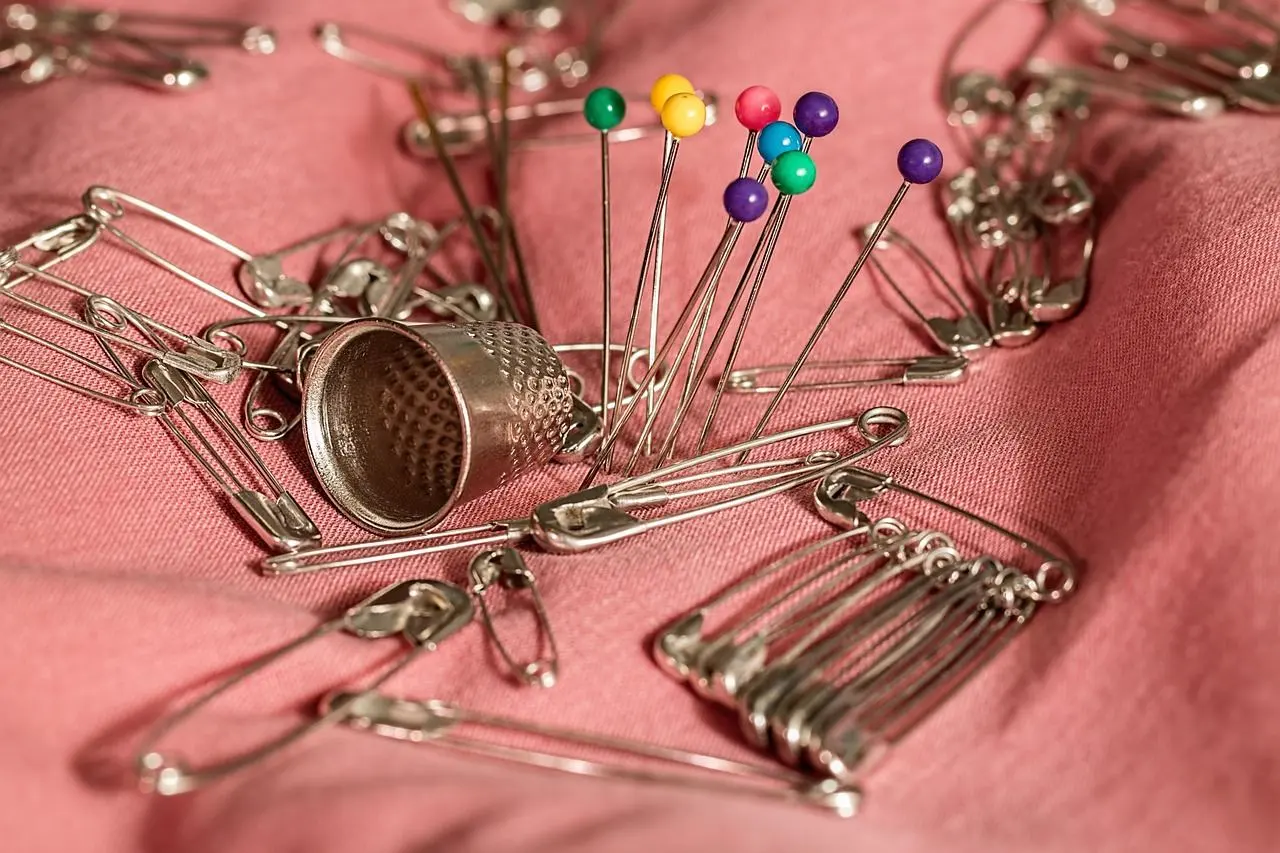
- Pins or clips to hold layers together
- A tape measure and a fabric marker or chalk
- A seam ripper for undoing stitches
- An iron and a firm surface for pressing
The Creative Bloq guide lists the tools you need in a similar spirit, so it is a useful second opinion when you build your own list. Buy the basics first and wait until a project asks for something more specialised.
How do you choose a first sewing machine?
A beginner machine should be simple, sturdy and easy to thread. Look for a straight stitch, a basic zigzag, an adjustable stitch length and a reverse lever, which together cover most early work.
Features such as a long menu of decorative stitches or a computer screen are nice extras, not needs. A secondhand mechanical machine in good working order can be a fine place to start, as long as a service has kept it running smoothly.
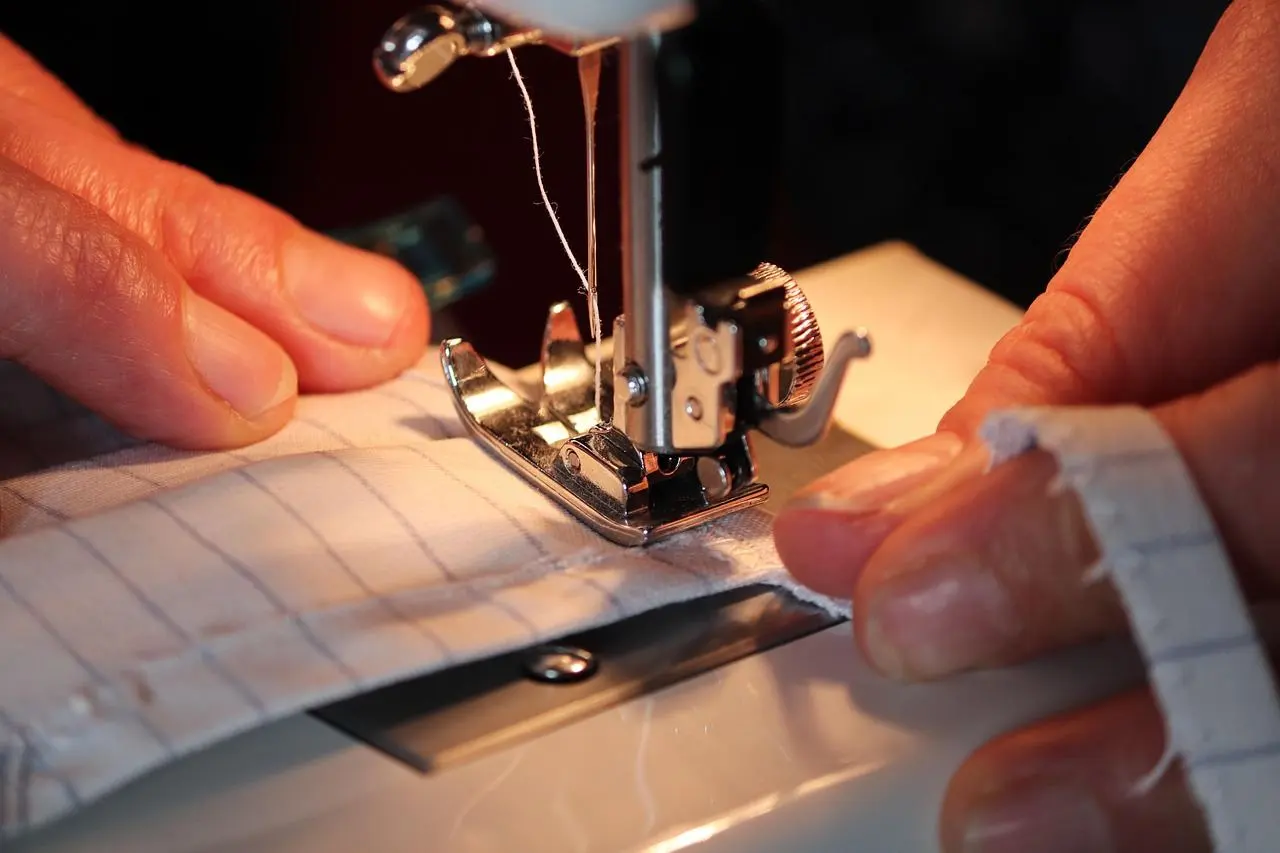
Once the machine is on your table, read our guide on how to use a sewing machine to learn the controls and settings. The next step is learning how to thread a sewing machine, because poor threading causes many early frustrations. Needles matter too, and the page on sewing machine needles explains why a fresh, suitable needle improves stitch quality.
Which fabrics are best for beginners?
Choose fabric that behaves. Woven cotton is stable, does not stretch under the needle and holds a crease when pressed, so it is forgiving while you learn to guide the cloth.
Slippery, stretchy or very thin fabrics are harder to cut and sew accurately. Save them for later, once your seams run straight.
- Plain or lightly printed cotton for practice and first projects
- Calico or similar plain cloth for test pieces
- Soft cotton flannel for simple, cosy makes
For a closer look at fibres, weaves and what each is good for, see our overview of types of fabric for sewing. Check the grain, wash and press fabric before cutting, so that shrinkage does not surprise you after the project is made.
Which basic skills should you practise first?
Build skills in a sensible order. Practise on scraps of the fabric you plan to use, since a test seam shows you tension and stitch length problems before they spoil a finished piece.
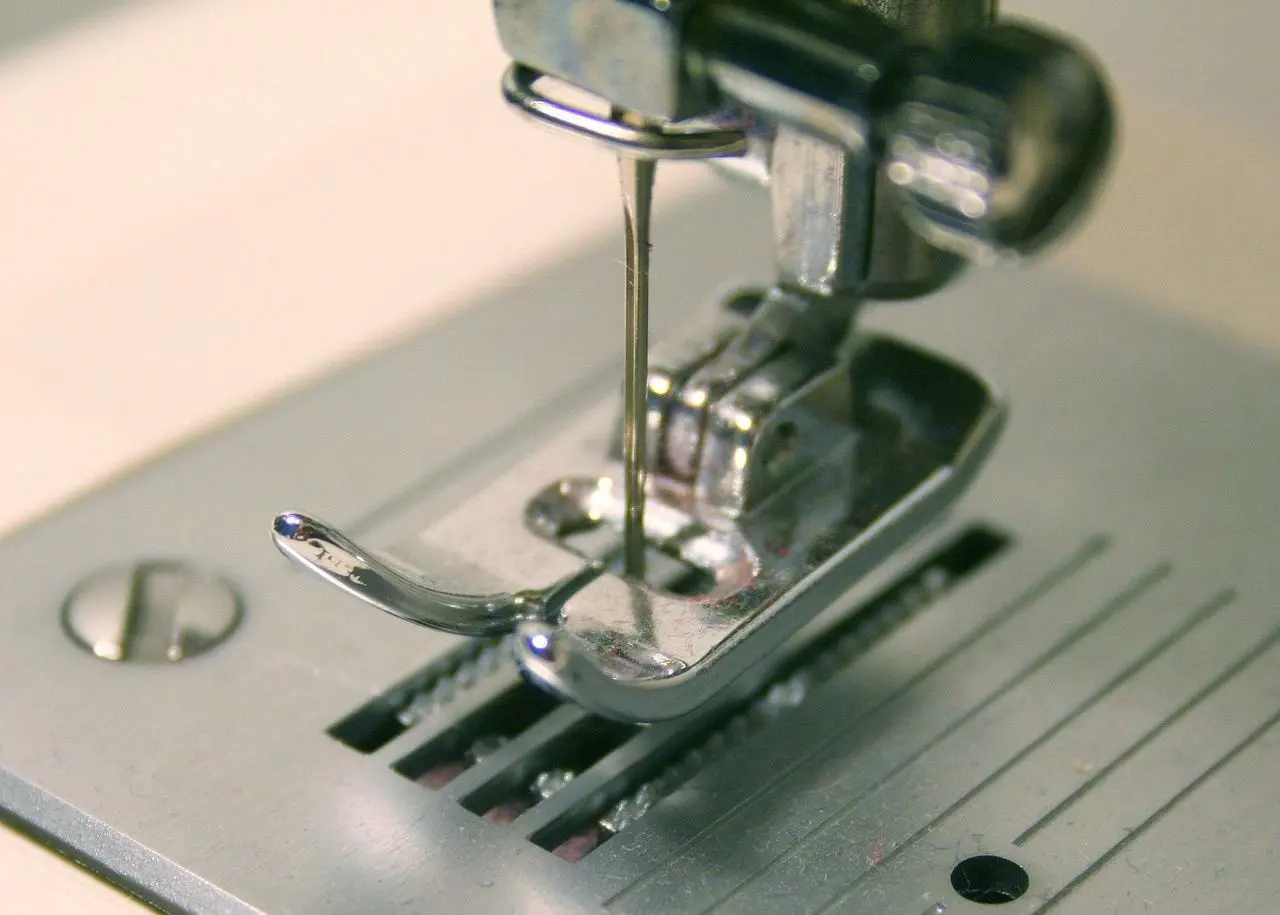
- Sew straight lines by following the guide marks on the machine plate.
- Start and finish seams with a few reverse stitches to lock them.
- Turn corners by stopping with the needle down and pivoting the fabric.
- Press each seam open or to one side before you sew the next.
- Unpick mistakes calmly with the seam ripper.
Hand work is just as valuable as machine work. Learn the common hand sewing stitches for hems, basting and finishing, and practise how to sew a button, which is a small skill you will use constantly.
What should you make and mend first?
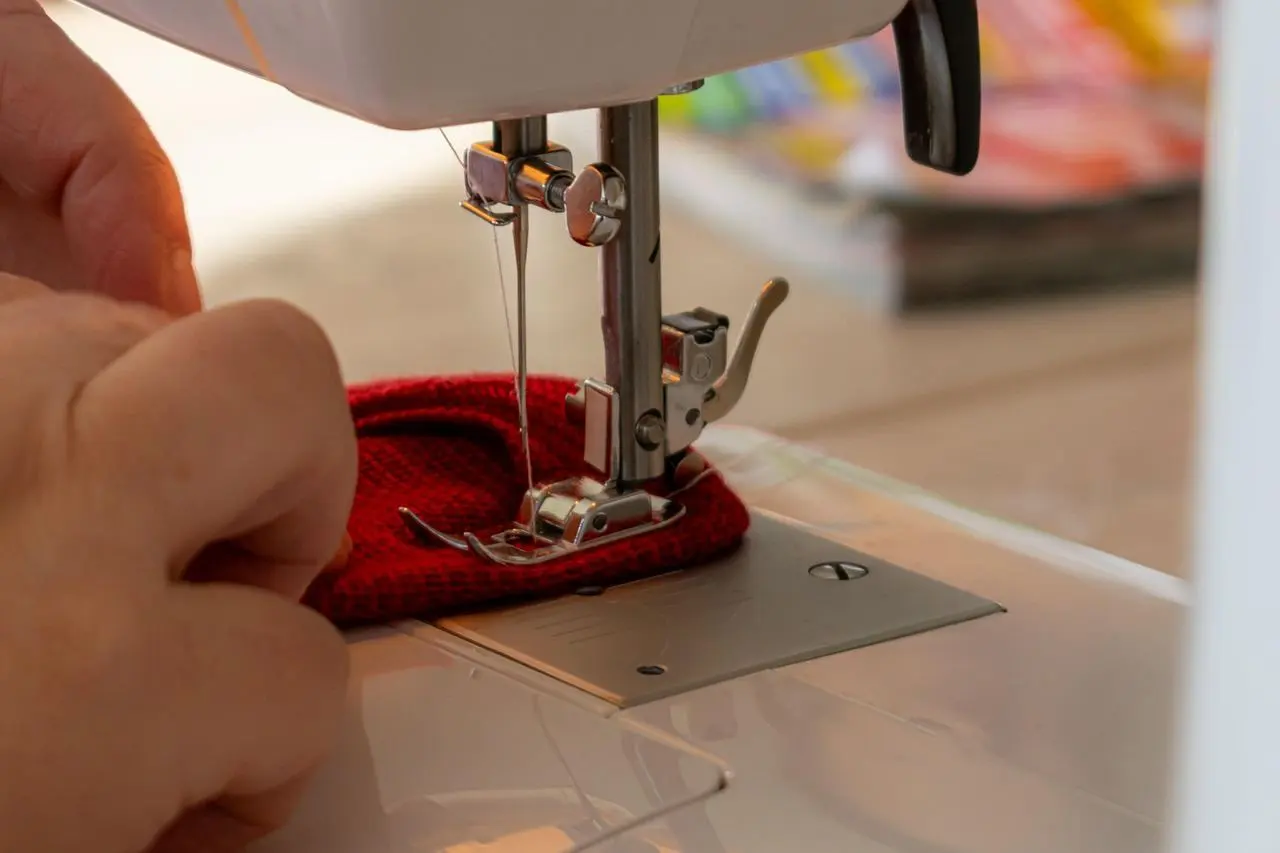
Pick projects with straight seams and little fitting, so you can focus on accuracy. Cushion covers, tote bags, simple pouches and napkins are popular choices, and our list of easy sewing projects for beginners gives more ideas.
Repair work is another practical way to learn. Our walkthrough on how to mend a hole in clothes shows how small fixes build confidence and keep favourite garments in use.
Where can you go next?
Sewing sits alongside other home crafts that share the same habits of patience and practice. If you enjoy working with yarn, knitting and crochet for beginners is a natural next read.
If you prefer working with card and glue, try paper crafts for beginners. Whatever you choose, set small goals, finish what you start and keep your early practice pieces to see how far you have come.
Frequently asked questions
Can you learn sewing without a machine?
Show answer
Yes. Needle and thread are enough for repairs, hems and many small makes, and hand work teaches you how stitches hold fabric together before you add a motor.
Is a cheap machine good enough to begin?
Show answer
A simple, well-built machine with a straight stitch and zigzag is usually plenty. Judge it on how smoothly it feeds fabric and how easy it is to thread, not on how many stitch patterns it offers.
Why does my thread keep tangling?
Show answer
Tangles often come from incorrect threading or a poorly seated bobbin. Re-thread the whole machine with the presser foot raised, and try a new needle if the trouble continues.
What is the easiest fabric to start with?
Show answer
Plain woven cotton is the usual recommendation. It stays put, presses well and shows your stitching clearly, which makes mistakes easier to spot and fix.