Knitting and crochet for beginners can feel like a wall of unfamiliar terms. You really need only yarn, a pair of needles or a hook, and patience for a gauge swatch. Pick one craft and match the tools to your yarn.
| Item | Value |
|---|---|
| Standard yarn weight categories | 0 to 7, from lace to jumbo |
| Knitting needles for lace yarn (weight 0) | 1.5 to 2.25 mm |
| Knitting needles for worsted yarn (weight 4) | 4.5 to 5.5 mm |
| Crochet hooks for worsted yarn (weight 4) | 5.5 to 6.5 mm |
| Most commonly used crochet hook sizes | 2.25 mm to 19 mm |
These figures come from the Craft Yarn Council’s guide to yarn weights and its Getting Started page. The council represents yarn companies and publishes its ranges as guidelines that can change, so check the source before you rely on them.
Knitting vs crochet: which should you try first?
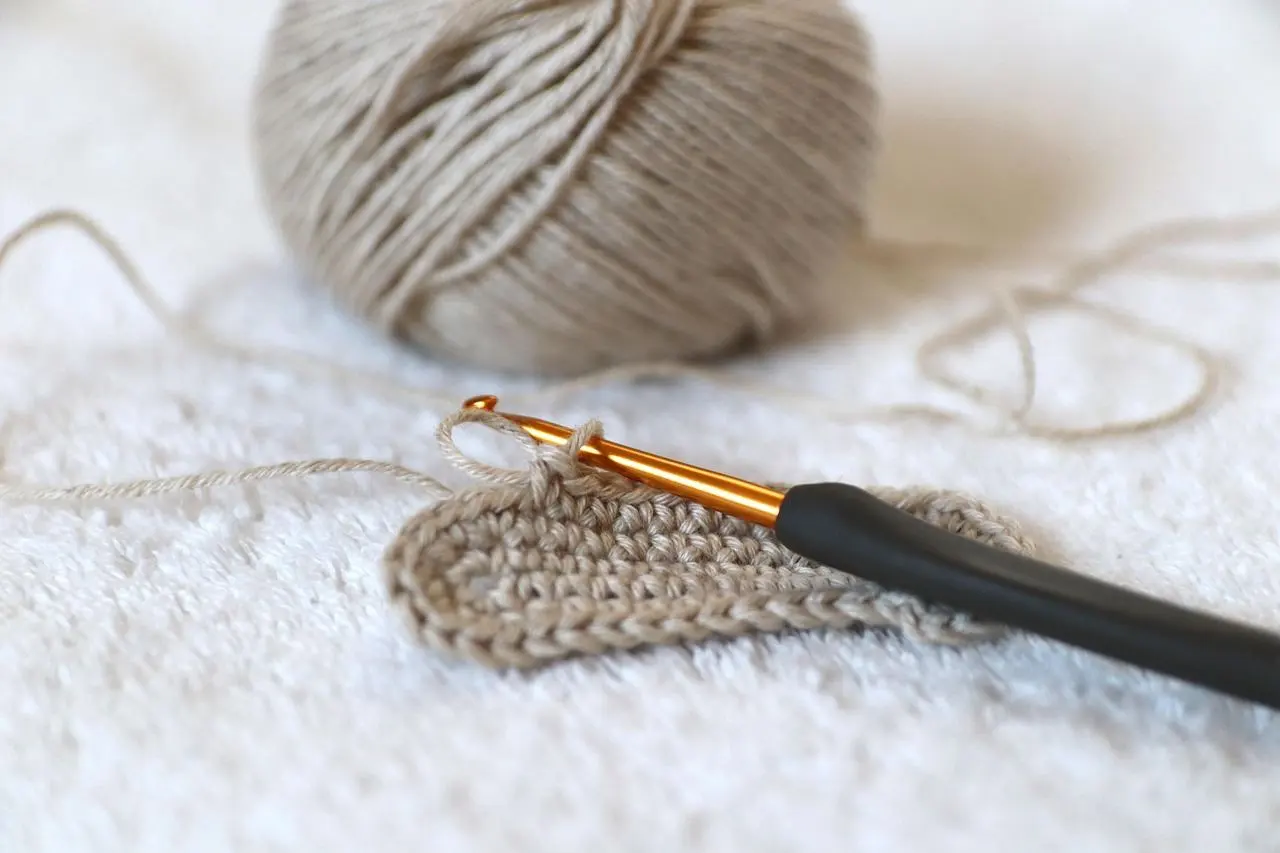
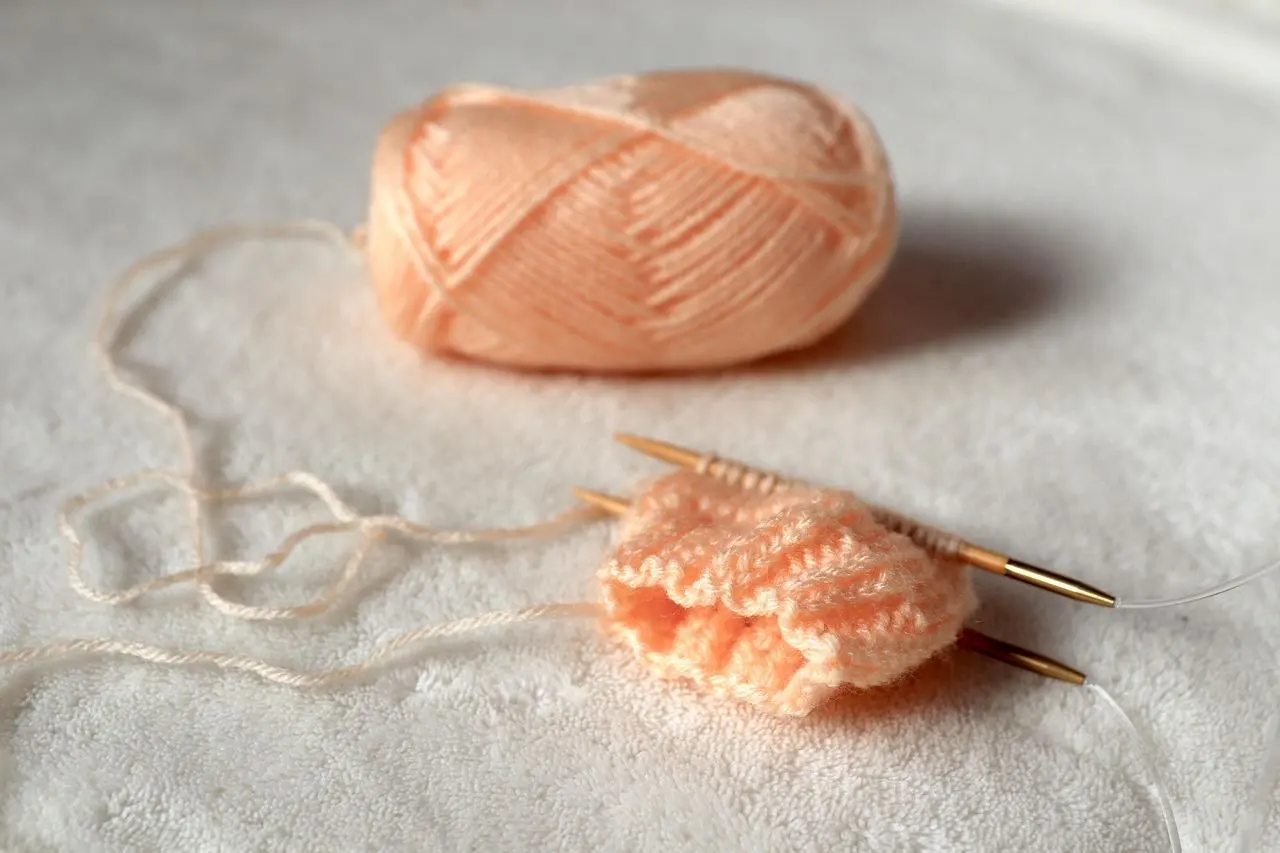
Both crafts turn yarn into fabric, but the tools differ. Knitting needles are sold in pairs, while a crochet hook is a single tool with a notch at one end for catching loops of yarn and drawing them through stitches, as the Craft Yarn Council’s Getting Started page describes.
The council’s learn-to menu lists the knit stitch and purl stitch for knitting, and the chain stitch, single crochet and double crochet for crochet. Those few stitches are the starting vocabulary of each craft.
If needles appeal to you, the guide to how to knit for beginners is a sensible next read. If a hook sounds more comfortable, the guide to how to crochet for beginners does the same job for that craft.
How yarn weights and labels work
Yarn comes in different thicknesses, called weights. The standard system runs from 0 to 7, with lace the thinnest and jumbo the thickest, according to the Craft Yarn Council.
Each weight also goes by common trade names. A few examples from the council’s list:
- Super fine yarn includes sock, fingering and baby yarns.
- Light yarn includes DK and light worsted.
- Medium yarn includes worsted, afghan and aran.
- Bulky yarn includes chunky, craft and rug yarns.
A fuller breakdown sits in the piece on yarn weights explained, which pairs well with this overview.
The label on a ball or skein carries the details you need. It lists the type of yarn, the yardage, fiber content, care instructions and the recommended needles or hook, according to the council’s Getting Started page.
Pay attention to the dye lot number. Buy enough of the same dye lot to finish a project, because yarn dyed in different batches can show subtle color differences. Some labels say “No Dye Lot Yarn”, which the council explains means the fibers were dyed before being spun.
If a label is missing, the wrapping method is one way to work out the weight of an unknown yarn, as Wikipedia’s yarn weight entry explains. The same entry notes that weight matters for reaching the correct gauge and can help when you substitute one yarn for another.
Matching needles and hooks to your yarn
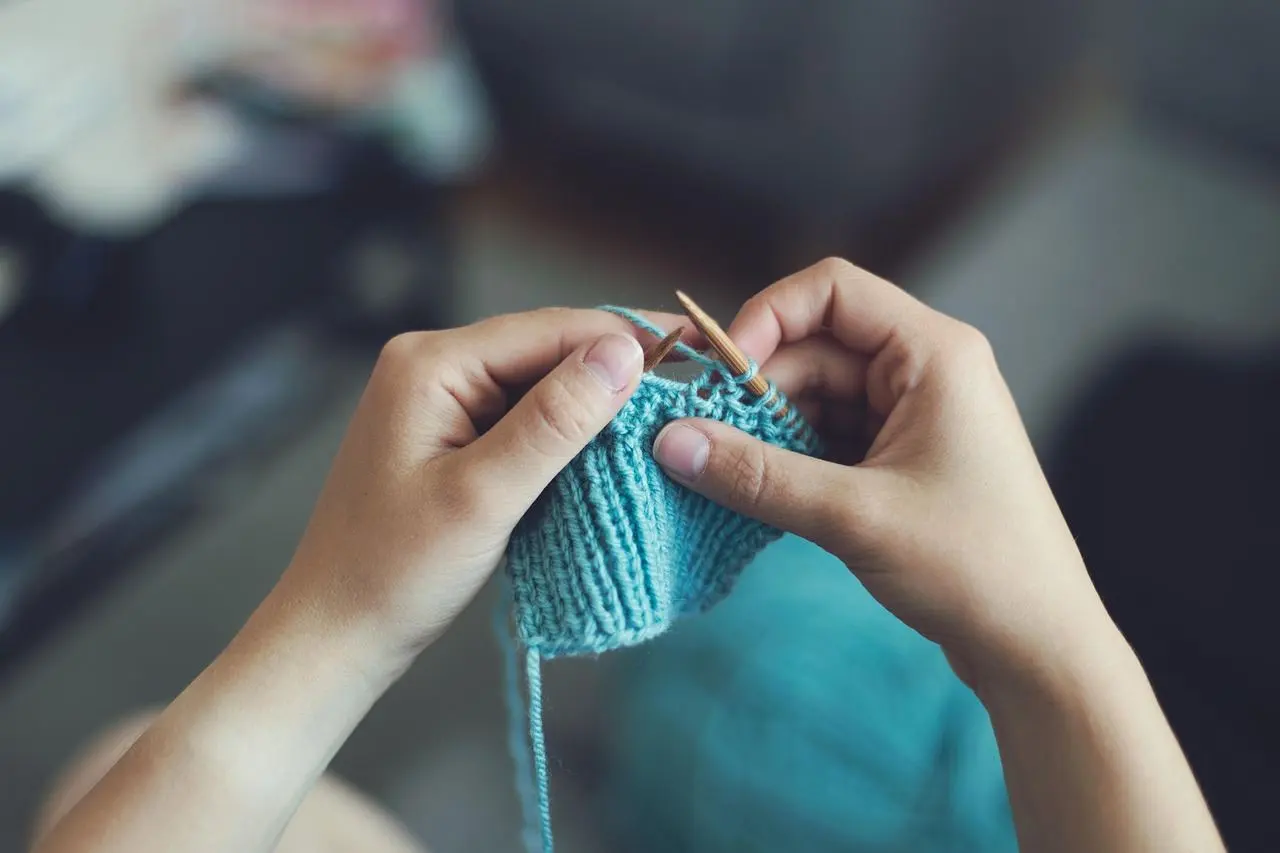
Every weight has a recommended tool range. The council lists lace yarn (weight 0) with needles of 1.5 to 2.25 mm, while worsted (weight 4) pairs with needles of 4.5 to 5.5 mm and hooks of 5.5 to 6.5 mm, per its yarn weight guide.
Treat those ranges as a starting point. The council’s standard yarn weight table marks them as guidelines only, and says to always follow the gauge stated in your pattern.
The ranges exist because publishers, needle and hook makers and yarn companies agreed on shared guidelines, as the council’s standards page describes. The goal is more uniform labeling on yarn, tools and patterns.
Types of knitting needles
The council’s tools overview separates needles into three common kinds:
- Straight needles are the most commonly used, in aluminum, plastic, wood or bamboo, with a point at one end and a knob at the other.
- Circular needles are long, flexible and pointed at both ends, used for large projects such as afghans or seamless sweaters worked in a tube.
- Double-pointed needles come in sets of four and suit small seamless items such as socks and mittens.
Crochet hooks and sizing systems
Crochet hooks are most often aluminum, plastic, wood or bamboo. The most commonly used sizes run from 2.25 mm to 19 mm, according to the council. For fine work such as lace, thinner steel hooks are used, and their numbering is the reverse of regular hooks: the higher the number, the smaller the hook, as noted on the yarn weight table.
Sizing labels differ by region. In the U.S. a system of numbers and letters is used for hooks, while other countries use a metric designation based on the tool’s actual diameter, per the council.
A full conversion is laid out in the knitting needle sizes chart, and the crochet hook sizes chart does the same for hooks.
Why a gauge swatch comes first
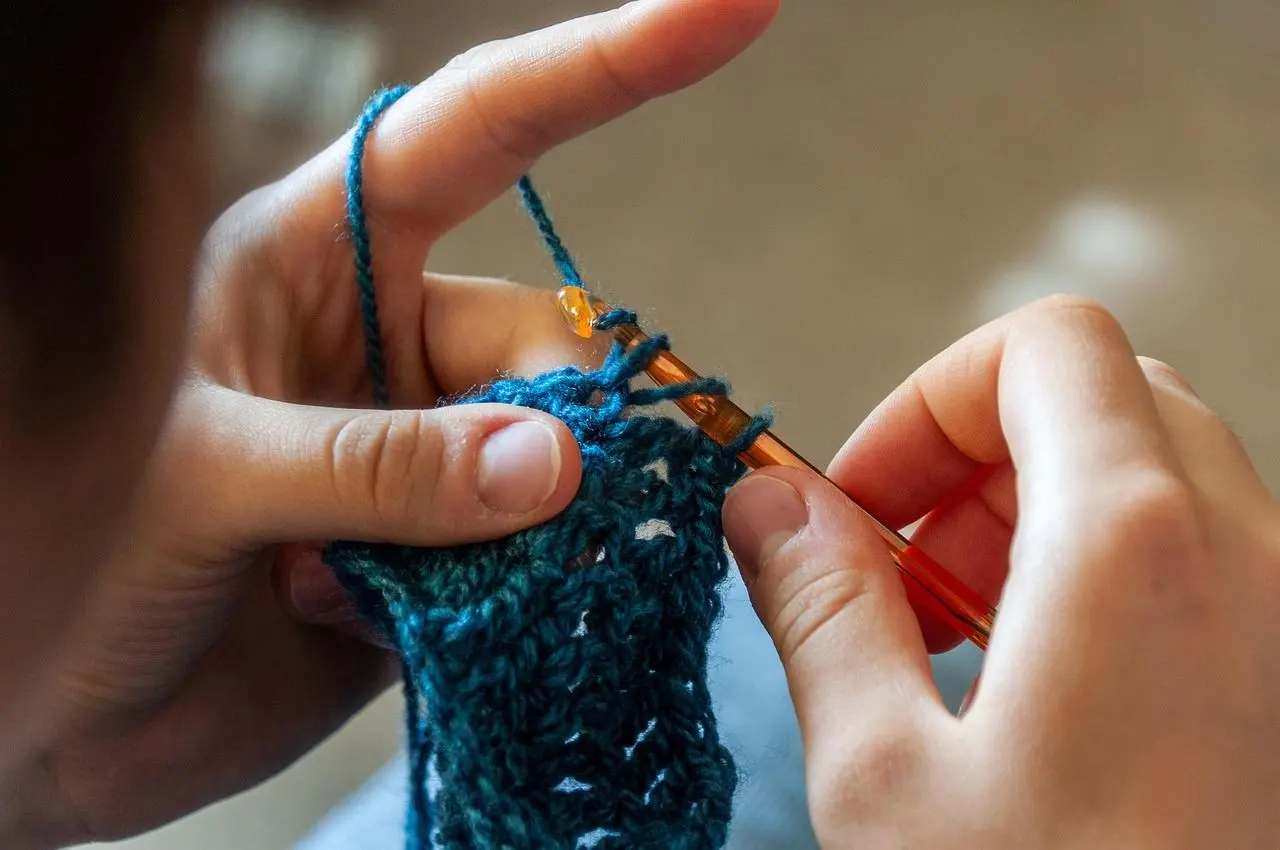
Gauge is how many stitches fit across a set width. The council states its suggested gauges for knit stockinette stitch and single crochet to four inches, per its weight guide. It also advises that you always make a gauge swatch and compare it with the pattern or yarn label, as its hooks and needles guide explains.
A simple routine looks like this:
- Work a small square in the pattern’s stitch, using the yarn and tool you plan to use.
- Measure how many stitches you get across four inches and compare with the pattern’s gauge.
- If the swatch is bigger than the pattern’s gauge, redo it with a smaller hook or needles. If it is too small, redo it with a larger hook or needles.
The second step and third step come from the council’s advice. Lace weight yarns are a special case: they are usually worked on larger tools for open, lacy fabric, so a gauge range is hard to set and the pattern’s own gauge is the one to follow, per the standard table.
Your first stitches and how to read patterns
Patterns are written in shorthand. The council publishes abbreviations and chart symbols for both crafts, plus a page on crochet term differences between the U.S., U.K. and Canada, listed on its standards menu. Check which terminology your pattern uses before you start.
For the shorthand in more depth, see how to read a crochet pattern. The council also notes that all patterns call for specific types of yarn and some name a brand, so match the weight and swatch if you swap, per its Getting Started page.
A starter plan keeps things manageable:
- Choose one craft and one medium (worsted) yarn.
- Pick needles or a hook from the recommended range on the label.
- Practice the first two stitches of your craft until they feel even.
- Make a swatch and adjust the tool size if needed.
- Start a small, simple project.
Knitters can find the core moves in basic knitting stitches. Crocheters who want a first project can browse easy crochet projects for beginners.
Where to go next
Once yarn crafts feel familiar, other home crafts build on the same habits of measuring, following instructions and patience. A guide to sewing for beginners covers fabric and thread, and paper crafts for beginners offers a low-cost way to experiment.
Frequently asked questions
Is knitting or crochet easier to start?
Show answer
The sources used here do not rank one above the other. What they do show is a difference in tools, so choose the one whose tool you enjoy holding.
What yarn weight suits a first project?
Show answer
A medium weight, often called worsted, sits in the middle of the council’s scale, which makes it an easy reference point. Check your pattern for the weight it names, then confirm with a swatch.
Do I have to buy the exact yarn named in a pattern?
Show answer
Patterns name a type of yarn, and some also name a brand, according to the Craft Yarn Council. Matching the weight and getting the right gauge is what counts, and Wikipedia’s yarn weight entry says weight can help with yarn substitution.
Why do tool sizes differ between brands?
Show answer
Makers may label the same tool with letters, numbers or millimeters, and exact sizing can vary between companies. The council’s guide suggests relying on the metric measurement when two products seem to match.