Staring at a shelf of paper, glue and folding guides and not sure where to begin? The best paper crafts for beginners are cards, origami and scrapbooks, and all you need first is the right paper and a few basic tools.
| Item | Value |
|---|---|
| Lightweight cardstock for layering and scrapbooking | 65 lb / ~120 GSM |
| Weight often named as most popular for card making | 80 lb / ~216 GSM |
| Heavy cardstock for pop-up elements | 100lb / ~270 GSM |
| Standard card size | A2 |
| Cardstock for watercolor or mixed media | at least 300 GSM |
These figures come from Cricut’s card-making guide and Altenew’s cardstock sizes guide. Weights and labels can change between brands, so check the source before you rely on them.
Which paper craft should you start with?
Paper crafts share one material, so what you learn about paper in one project carries into the next. Pick the family that matches what you want to hold at the end.
- Cards give you something to hand to someone, and card making for beginners is the natural starting point.
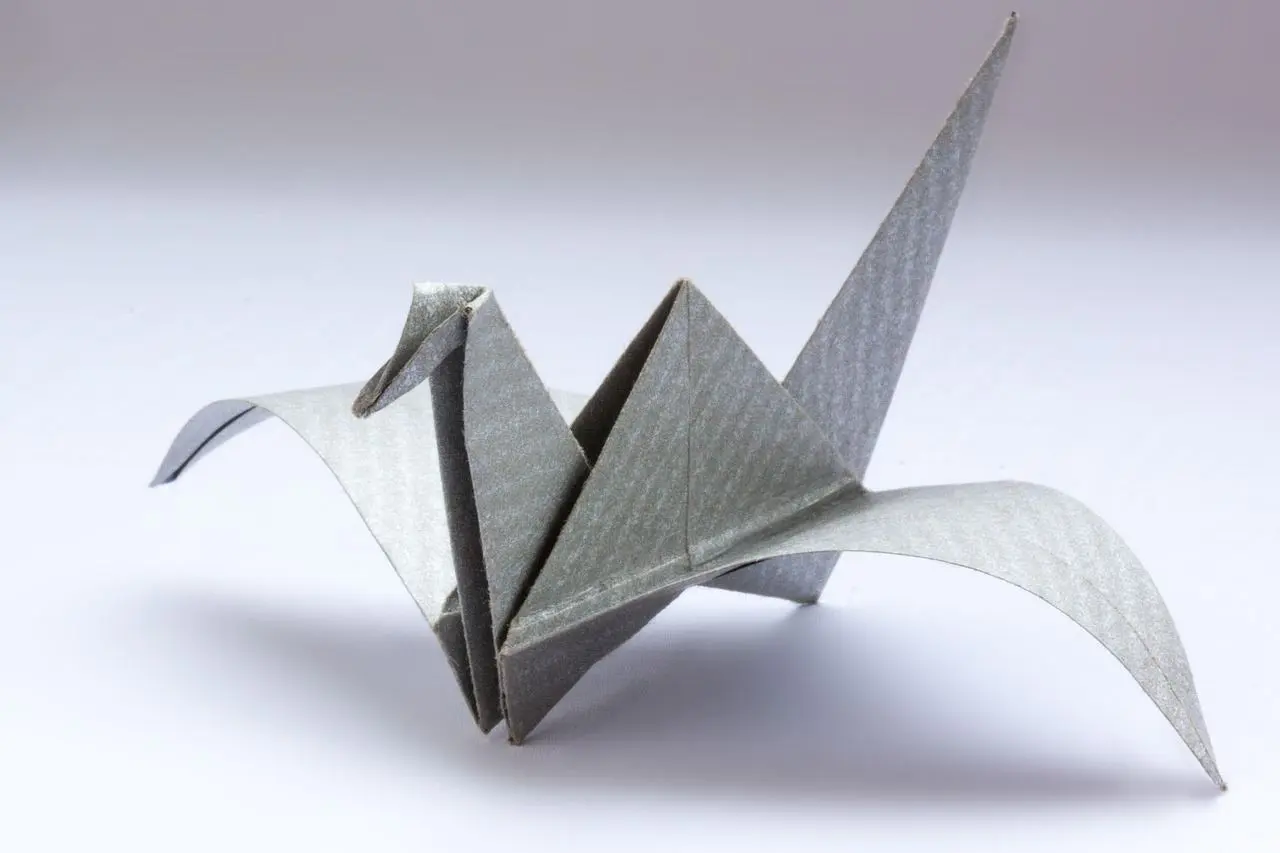
- Origami needs very few supplies, so origami for beginners is an easy way to test whether you enjoy folding.
- A first model can be the classic crane, and the guide on how to make an origami crane is a good place to begin.
- Scrapbooks suit you if you want to keep photos and memories, and scrapbooking for beginners explains how to start.
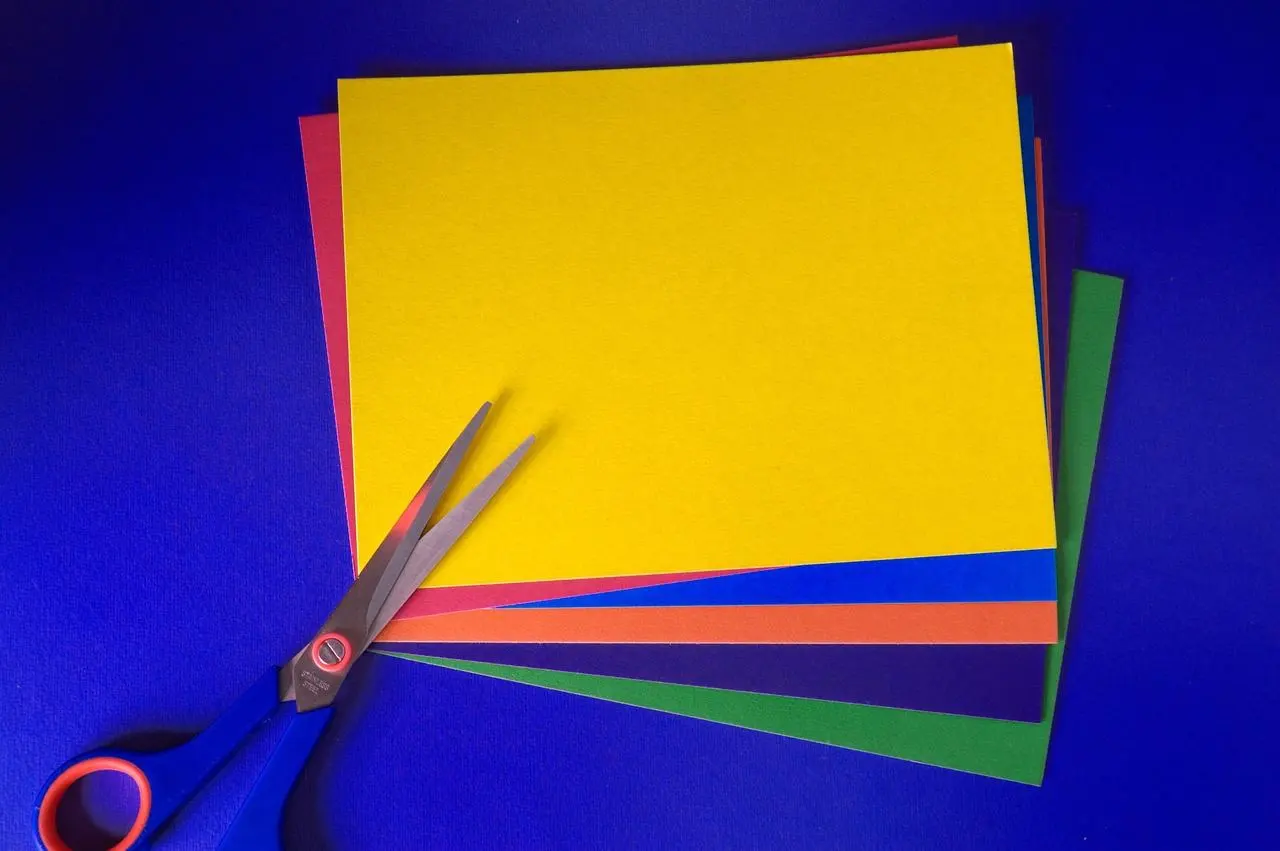
The common thread is cardstock. Altenew’s guide says it is thicker than regular paper and ideal for cardmaking, scrapbooking and DIY crafts, while Cricut calls it a middle ground between standard paper and heavy cardboard.
Paper is also a very old material. Altenew’s history of cardstock traces the earliest known history of paper to China in 105 CE.
Paper weight basics: lb, GSM and what they mean
Weight labels are usually the first thing that confuses a new crafter. Cricut’s guide explains that weight is measured in pounds per 500 sheets in the US (lb), and in grams per square meter (GSM) internationally.
Altenew adds a caution: higher GSM means thicker cardstock, but lb weight can vary by paper type. Comparing GSM is therefore the safer habit, as its sizes guide suggests.
Conversions also differ between sources. Cricut pairs 65 lb with ~120 GSM, while Altenew gives a 65 lb cardstock as 176 GSM, so treat any lb-to-GSM conversion as approximate (see Cricut for its pairing).
Three weights from Cricut’s guide are worth knowing as a beginner:
- 65 lb / ~120 GSM is lightweight and, according to Cricut, excellent for layering, scrapbooking and paper flowers.
- 80 lb / ~216 GSM is sturdy enough for a card base but thin enough to fold cleanly, says Cricut.
- 100lb / ~270 GSM is heavy cardstock for heavier layers, pop-up elements and interactive features, per Cricut.
Sources disagree on the most popular weight. Cricut names 80 lb for card making, whereas Altenew says 110 lb is the most popular choice for handmade cards. Read both as a range rather than a rule.
The cardstock weight guide compares these weights in more depth.
Choosing paper by technique
Beyond weight, the finish changes how a project behaves. Cricut notes that smooth cardstock is ideal for stamping and clean ink blending, while textured cardstock adds a tactile dimension.
Vellum is a different option: Altenew describes it as a fine parchment paper that ranges from semi-transparent to almost opaque. For crisp stamped images, Crafter’s Companion calls smooth cardstock essential.
The table below matches common techniques to weight ranges.
| Technique | Weight range |
|---|---|
| Printing, inserts and lightweight work | 80gsm to 120gsm |
| Patterned papers for layering | 120gsm to 180gsm |
| Quilling | 120gsm to 160gsm |
| Die cutting and embossing | 220gsm to 300gsm |
| Card blanks, boxes and gift bags | 300gsm to 350gsm |
| Watercolor or mixed media | at least 300 GSM |
Ranges are drawn from Crafter’s Companion and Altenew; they are guides rather than fixed rules, so check the sources before you buy.
Thicker is not always better. Crafter’s Companion points out that quilling requires lightweight paper rather than cardstock.
Basic tools and clean folds
A good fold starts with a scoring tool. Cricut calls a scoring stylus or scoring wheel a must-have for crisp, professional folds.
For sticking layers, Cricut lists a few staples for a card maker’s toolbox:
- Double-sided tape.
- Foam dots for dimension.
- High-quality liquid glue with a fine tip.
Paper has a grain, and Cricut says understanding grain direction is the secret to a perfect fold. It also advises that you always score before folding, especially with heavier weights.
If you want dimension, Cricut says making a card from scratch is the best route for pop-up cards, shaker cards or non-traditional sizes. When you are ready to try one, the guide on how to make a pop up card covers the build.
A broader checklist of equipment is in the guide to paper crafting tools.
Building a small starter stash
Crafter’s Companion says you do not need every type of cardstock to get started. Its suggested starter stash is:
- A smooth white card for stamping.
- A textured card for die cutting.
- A selection of patterned papers for layering.
- A few speciality finishes such as mirror or pearl.
- A heavyweight card for construction.
Finish one small project before adding more paper to the pile. Once you have a handful of finished cards or folded models, scrapbook layout ideas can help you decide how to display them or the photos that go with them.
If paper leads you to other materials, knitting and crochet for beginners and sewing for beginners take the same start-small approach with yarn and fabric.
Frequently asked questions
What weight should I pick if I mainly want to stamp?
Show answer
Choose smooth card. Crafter’s Companion suggests around 250gsm to 300gsm for a sturdy stamping surface that also handles alcohol markers and heat embossing.
Why does my card crack along the fold?
Show answer
According to Cricut, cracking usually happens when the paper fibers are stretched and broken, or forced under too much pressure. A scored line gives the fibers a guide, and folding with the grain helps too.
Can I use ordinary paper instead of cardstock?
Show answer
You can for light work, but Altenew warns that regular paper tends to warp or tear under too much liquid or heavy embellishments. Cardstock copes better with glue, layers and wet techniques.
Which card size is standard?
Show answer
Altenew lists A2 as the standard card size. It also names Letter and A4 as common sheet sizes you may cut from.