
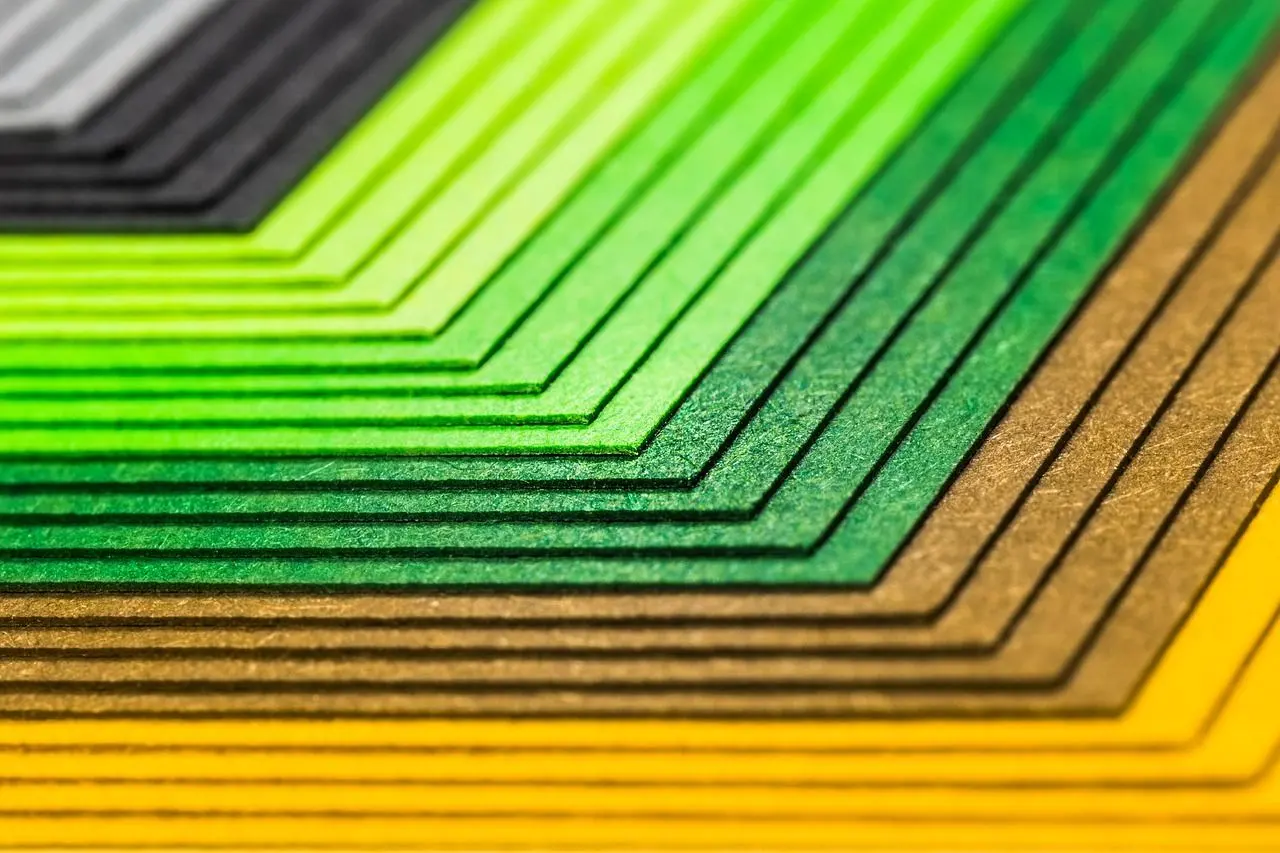
Standing in front of paper labelled lb and gsm? This cardstock weight guide in one line: cardstock is cover-weight paper, and a cover sheet is far heavier than a text sheet with the same pound number.
If you are new to the craft, start with our guide to paper crafts for beginners, then come back here to choose your stock.
| Paper type | Weight |
|---|---|
| 80 lb text paper | 104 gsm |
| 80 lb cover stock | 218 gsm |
| 65 lb cover card stock | 176 gsm |
| 100 lb cover card stock | 270 gsm |
| 130 lb cover card stock | 352 gsm |
These figures come from the SJU Print Shop FAQ and CutCardStock’s paper weight page. Charts round differently and can change, so check the source before you rely on them.
The three ways paper weight is labelled
Labels use three systems. OKI lists them as US basis weight, metric weight in gsm, and points or mils, which are an actual caliper reading of thickness. It also notes that the metric figure is nearly always displayed alongside the US basis weight.
- Pounds (lb or #): the North American rating, tied to a ream of paper.
- gsm: grams per square meter, the metric rating, often called grammage.
- Points: the thickness of the sheet, not its weight.
The SJU Print Shop explains that the pound rating is based on the weight of 500 sheets, while the metric rating is based on the weight of a 1 meter by 1 meter sheet. Because the same size sheet is always weighed, OKI says gsm gives a more uniform scale for judging weight and thickness.
For a sense of scale, one print-shop guide puts copy paper near 80 gsm and premium business cards at 300 gsm to 400 gsm. The same page adds that points measure caliper, so a bulky uncoated sheet can run a point or two thicker than a coated sheet at the same gsm.
Text weight versus cover weight
This is where most beginners get caught. The SJU Print Shop gives the example that an 80 lb text sheet weighs 104 gsm while an 80 lb cover sheet weighs 218 gsm. It calls the cover stock clearly more than twice as heavy.
The reason is the sheet size used for the rating. OKI gives an uncut bond sheet as 17 x 22 inches and an uncut cover sheet as 20 x 26 inches, so the same pound number describes two quite different sheets.
CutCardStock gives the same warning: a text weight is paper, a cover weight is card stock, and they are different papers despite sharing a number. Its gsm figures differ slightly from the SJU table, so small differences between charts are normal.
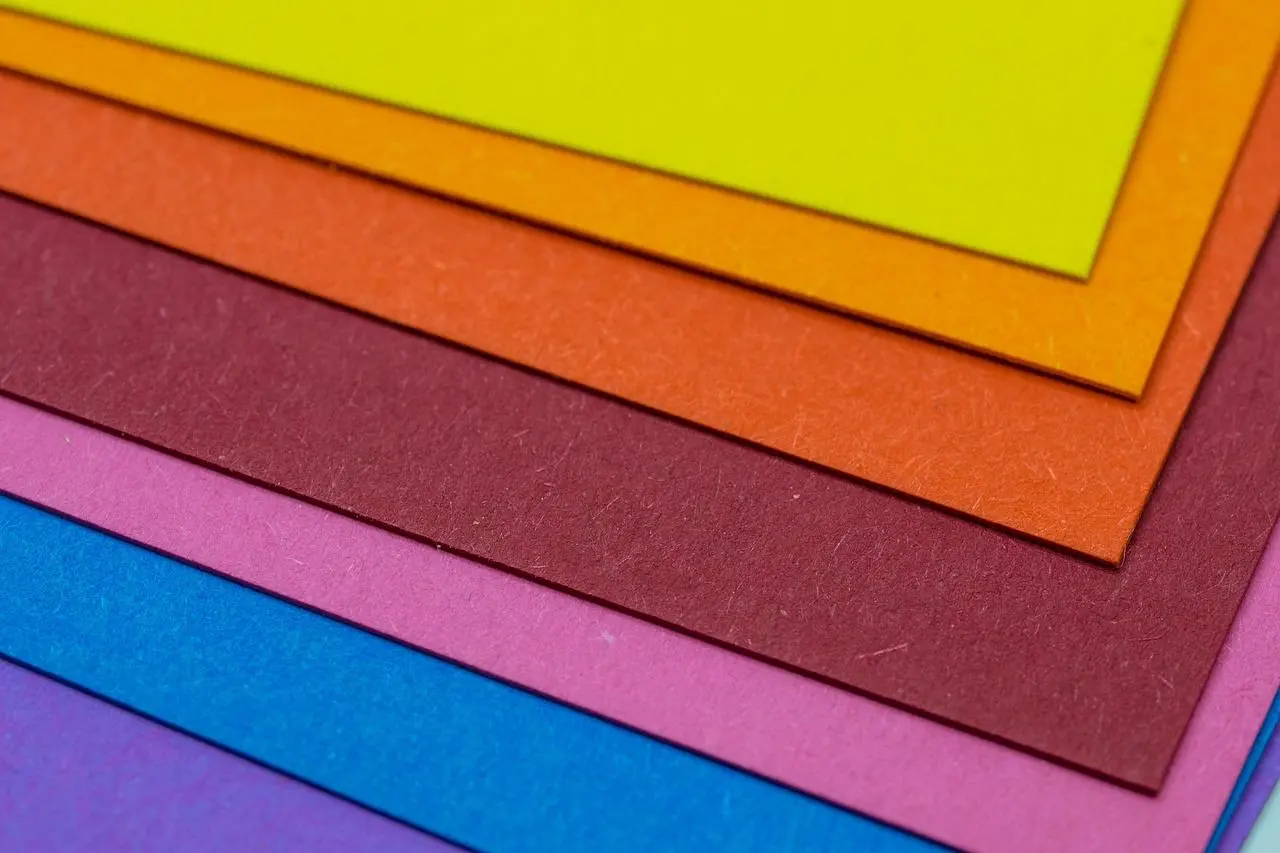
Common cardstock weights and what they suit
CutCardStock labels its card stock by cover weight, which is the system most craft shops use. Here is how its main grades are described.
- 65 lb cover (176 gsm): the lighter end of card stock, heavy enough for postcards and good for layering because it adds little weight to a card. Punching, die cutting and folding are easy at this weight, according to CutCardStock.
- 80 lb cover (216 gsm): CutCardStock calls this its most commonly used card stock, suited to card making, scrapbooking, die-cutting and craft projects.
- 100 lb cover (270 gsm): a heavier stock that CutCardStock says is often used for flyers, signs, invitations and invitation backings.
- 130 lb cover (352 gsm): the start of what CutCardStock classes as heavyweight card stock.
At the top of the range, the SJU Print Shop says card stock can be similar to the material used for a cereal box. That helps explain why heavier grades behave so differently from printer paper when you cut, crease and glue.
Scoring and folding heavier stock
The SJU Print Shop notes that cover paper is more rigid and must be scored (dented or creased) before it can be folded. CutCardStock makes the same recommendation for 80 lb cardstock.
Unscored heavy stock tends to crack along the fold, so a crease line is worth the extra step. Our overview of paper crafting tools is a good place to look at what you might use to make one.
Because CutCardStock describes 65 lb cover as easy to fold, it is a sensible weight to test first when you follow our guide on how to make a pop up card. Cut a small test piece before you commit a full sheet.
How to read a pack label before you buy
One print-shop guide warns that pound stock hides a trap: an 80 lb text and an 80 lb cover are nowhere near the same thickness, so you should read the word after the number. The advice is in that paper weight guide.
- Find the word after the pound number: text or cover.
- Look for the gsm figure, which is usually printed alongside.
- Compare packs by gsm rather than by pounds.
- If a thickness in points is given, treat it as a second check, not a weight.
- If you plan to print, confirm your printer’s maximum paper weight first.
Frequently asked questions
Is cardstock the same thing as cover stock?
Show answer
Mostly, yes. The SJU Print Shop uses “cover” as a generic name for heavier, thicker stocks, a group that includes Bristol, Index, Tag and Card paper.
Does a higher number always mean a heavier sheet?
Show answer
Only when you compare like with like. A print-shop guide treats gsm as the anchor because it reads the same for every stock, so a higher gsm is thicker and heavier, while pound numbers need the text or cover label to mean anything.
What does 12-point cardstock mean?
Show answer
Points describe thickness. According to OKI, media that measures 0.012 inches thick is marked as 12-point media.
Can a home printer handle heavy cardstock?
Show answer
Lighter grades are usually fine: CutCardStock says its 65 lb cover prints easily on most home printers. For sturdier stock it advises checking your printer’s specifications for paper weights before you print.