Staring at a wall of bolts and unsure what to buy? The main types of fabric for sewing are natural or synthetic, and woven or knit. For a first project, start with cotton muslin or linen.
This guide is part of the sewing for beginners collection, which gathers the basics for new sewists.
| Fabric | Key fact |
|---|---|
| Fabric groups | Two: natural and synthetic |
| Cotton muslin | Un-dyed, unbleached woven cotton with little stretch |
| Cotton jersey | Knit, stretchy and soft; can be pricy |
| Linen | Woven from the flax plant; good for keeping cool in summer |
| Wool | Protein fabric; very good for cold weather |
These descriptions come from the Wikibooks Sewing/Fabric page. Advice in open guides can change, so check the source before you rely on it.
Natural or synthetic, woven or knit
Fabric falls into two groups: natural and synthetic. Synthetic fabrics are man made, while natural ones come from animal protein, such as silk or wool, or from plant fibre, such as cotton or linen, as the Wikibooks guide explains.
Any fabric is also either woven or knit. Woven cloth such as muslin has little stretch, while a knit such as jersey is stretchy.
Natural fibres are known to be more expensive than synthetic ones. In return they can drape beautifully and keep you cool in a way that synthetics often cannot.
When you pick up a bolt, four questions help you decide quickly:
- Is the fibre natural or synthetic?
- Is the cloth woven or knit, and so how much will it stretch?
- Is it light enough for a top or heavy enough for trousers?
- Will your machine feed it through without a fight?
Natural fabrics that suit a first project
The Wikibooks guide recommends that a beginner start with a cheap natural fibre such as cotton muslin. Here is how it describes the main natural options:
- Cotton muslin: un-dyed, unbleached cotton, useful for mock-ups and undergarments. It is woven, so it has little stretch.
- Cotton jersey: a knit that is stretchy and soft and does not wrinkle or pucker. It is another good beginner fabric, though it can be pricy.
- Cotton flannel: a warm, soft, medium weight cloth that suits cold weather clothing.
- Linen: a woven cloth made from the flax plant, very good for keeping cool in summer.
- Wool: a protein fabric made from the hair or fleece of camels, goats, alpacas and other animals, and very good for cold weather.
A frankie magazine guide for beginner sewists calls linen a go-to. It softens with wear, holds seams well, and the machine ploughs through it.
That guide suggests a heavier weight for pants or jackets and a lighter weight for dresses or tops. Its one downside is price, since linen can be a bit expensive.
Plain cotton is described there as the cheaper cousin of linen. It is breathable and sews up nicely, though a writer in that guide finds it a little light and less able to hold structure.
Fabrics for particular jobs
Some projects call for a specific cloth. The frankie guide offers these pointers:
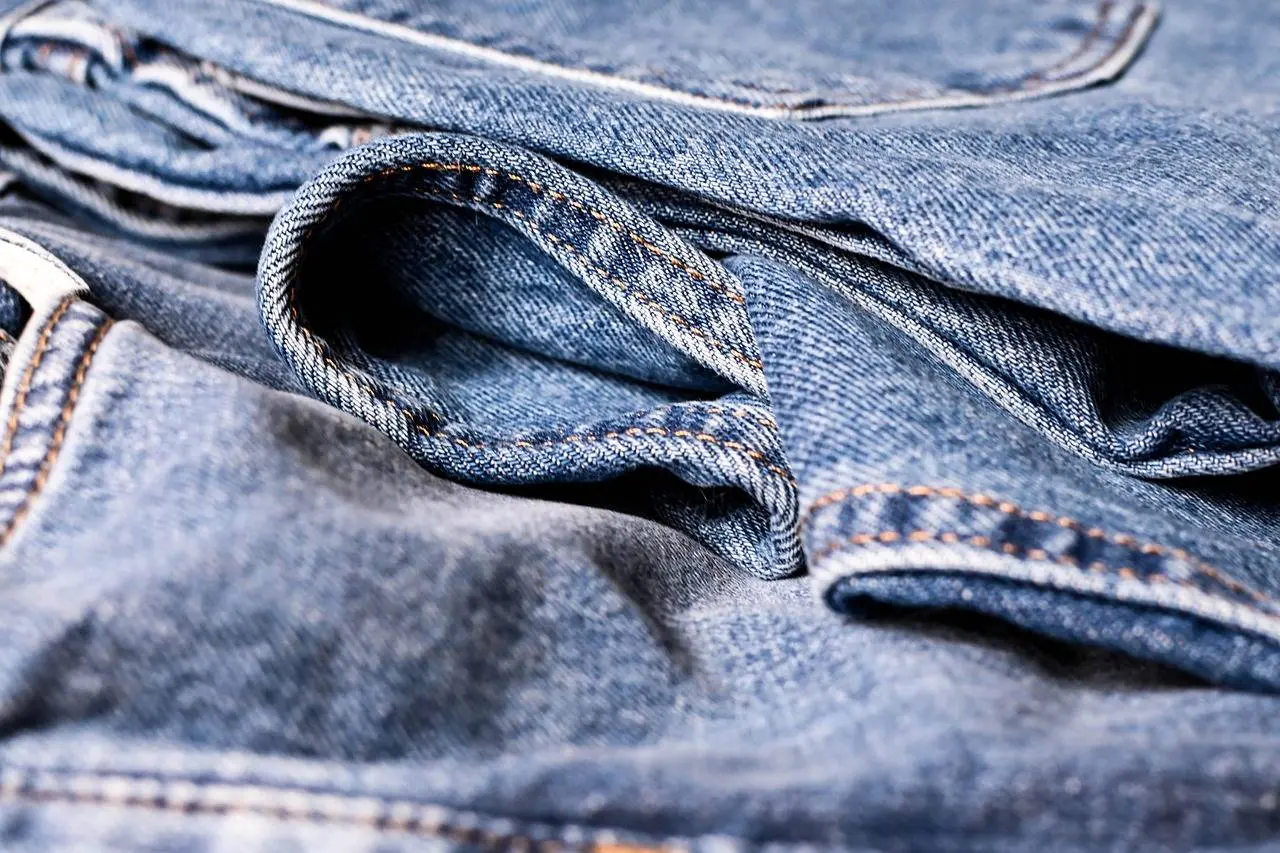
- Denim: a super-strong cotton fabric, sometimes blended with an elastic fibre for some stretch.
- Knits: merino knits are warm in winter, cool in summer and feel nice on the skin.
- Silk: very slippery, so it slides straight through the machine. A silk-cotton blend is a little sturdier.
- Swimwear fabric: not any stretchy cloth will do, because it has to stand up to chlorinated pools and sun.
- Wool and wool blends: check the thickness against what your machine can handle, and expect shedding when you cut.
Stretchy cloth is less frightening than it looks. The same guide says any knit needs a zig zag stitch or an overlocker, and swimwear also needs special swimwear elastic.
Silk is the fussy one, needing a walking foot and a fine needle. If your machine is new to you, read how to thread a sewing machine before you try any of these cloths, and see hand sewing stitches if you would rather stitch a seam by hand.
Can you sew with second-hand fabric?
Yes, and the frankie guide calls it the cheapest and maybe the most sustainable way to sew. Second-hand fabric can come from swap meets and remnant sales, or from items you repurpose.
- Woolly blankets can become a warm coat.
- A large salvaged doona cover gives metres of cheap cotton or cotton blend.
- A table cloth might have a crisp linen feel.
The catch is that it is hard to be completely sure what you are working with. The guide suggests checking labels and simply feeling the cloth to see whether you like it.
Prepare fabric before you cut
Wikibooks advises you to wash and press all fabric before sewing, following the directions on the bolt. New cloth will usually shrink a certain amount and may have been treated with sizing.
Washing first also reduces dye transfer from the finished item. Pressing matters too, because creases distort the shape of a chalked pattern, so marking is best done on well-pressed cloth.
Frequently asked questions
What is the easiest fabric for a beginner?
Show answer
Cheap cotton muslin is the starter pick in the Wikibooks guide. The frankie writer instead names linen as a beginner go-to, so either is a reasonable place to begin.
Can a beginner sew stretchy fabric?
Show answer
Yes. According to the frankie guide, a zig zag stitch or an overlocker is what a knit needs, and cotton jersey is listed by Wikibooks as a good beginner choice, if pricier.
Which cloth suits hot weather and which suits cold?
Show answer
Linen is described as very good for keeping cool in summer. Flannel and wool are the cold weather choices in the Wikibooks guide.
Why do people avoid silk?
Show answer
It slips through the machine. A walking foot, a fine needle or a sturdier silk-cotton blend can help, says the frankie guide.